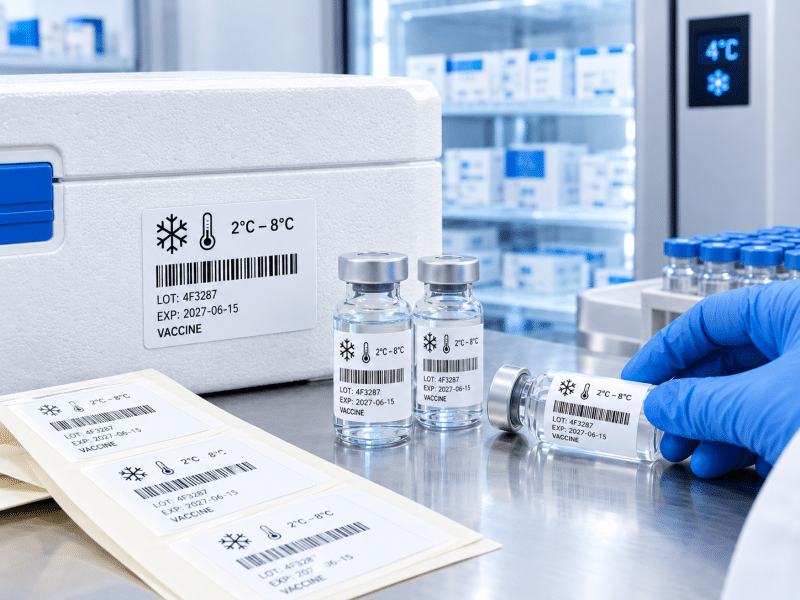
A vaccine can leave the factory in perfect condition and still become a problem if its label peels, smudges, or turns unreadable somewhere between the cold room and the clinic. For pharmaceutical teams in the Philippines, the humid climate, frequent handling, and long distribution routes make the label just as important as the vial it sits on. This guide explains how to choose the right cold chain pharma label so every product stays identifiable, scannable, and compliant from storage to the point of care.
Why Labels Fail in the Cold Chain
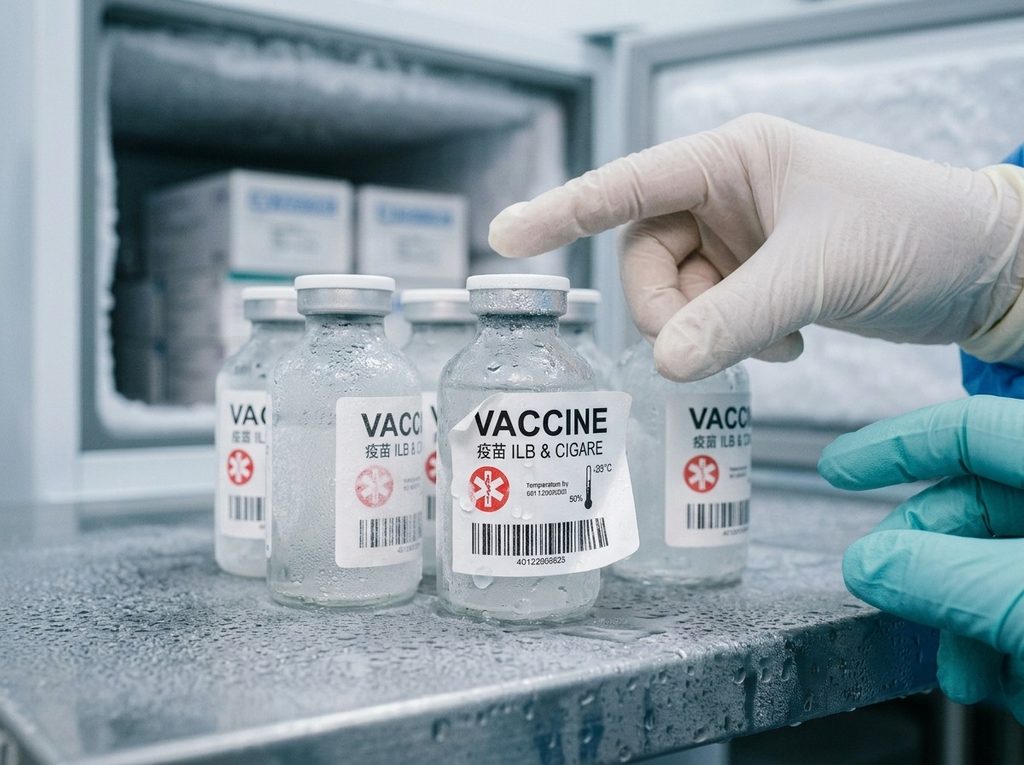
Most label failures come from three things: condensation, temperature swings, and handling. When a vial moves from a freezer to room air, moisture forms on its surface in minutes. A label with the wrong adhesive can lift at the edges, curl, or slide off. Printed text can also fade if the material absorbs water or reacts to cleaning agents.
The consequences go beyond appearance. An unreadable batch number or barcode slows down receiving, makes traceability harder, and raises the risk of a medication error. That is why pharmaceutical labels should be chosen for the storage condition first and the design second.
Start With Your Storage Temperature
Different products live in very different temperature zones, and each zone puts different stress on a label. Most vaccines are stored at 2°C to 8°C, frozen products are commonly kept between -25°C and -15°C, and some mRNA vaccines require ultra-cold storage between -90°C and -60°C. The chart below shows how far each zone sits from normal room temperature (about 25°C). Each block represents roughly 5 degrees.
| Storage zone | Typical range | Distance below room temperature |
| Refrigerated | 2°C to 8°C | ████ about 20°C |
| Frozen | -25°C to -15°C | █████████ about 45°C |
| Ultra-cold | -90°C to -60°C | ████████████████████ about 100°C |
Chart: relative temperature drop from room temperature (25°C) for each cold-chain storage zone, using the midpoint of each range.
The colder the zone, the more you should rely on freezer-grade materials and adhesives rather than standard office-type stickers. Always confirm the exact range of your product before you order.
Polyester vs PP: Which Label Material Fits?
Two materials come up most often for cold-chain work. Polyester labels are tough synthetic labels that resist moisture, abrasion, and chemicals. PP (polypropylene) labels are flexible, water-resistant, and conform well to curved containers.
For vials, ampoules, and bottles that face condensation and repeated handling, Chrome Polyester Labels are a strong option because they are built to withstand water, chemicals, and extreme temperatures. For squeezable containers and packaging where a bit of flex is needed, PP White Labels give you a clean surface for printing, while PP Clear Labels let the product or an existing print show through.
| Label type | Best for | Cold-chain strengths | Keep in mind |
| Chrome Polyester | Vials, ampoules, outer cartons, equipment tags | Resists moisture, abrasion, chemicals, and temperature extremes | Metallic finish suits tracking and branding; check print compatibility |
| PP White | Bottles, tubes, and shipping boxes | Flexible, water-resistant, good print surface | Choose a freezer-grade adhesive for frozen products |
| PP Clear | Transparent packaging, no-label look | Moisture-resistant and flexible | Background color affects readability |
| Void Sticker Labels | Tamper-evident seals on cartons and shippers | Shows visible evidence if the seal is opened | Use together with a main product label |
Do Not Overlook the Adhesive
Many teams spend time comparing face materials and forget the adhesive, which is often the real reason a label fails. A permanent adhesive that works at room temperature can turn brittle in a freezer. For cold-chain use, look for a freezer-grade adhesive that bonds well to cold, damp, or slightly frosted surfaces, and ask whether the label should be applied before or after the product is chilled.
It also helps to test a sample on the actual container. Glass, plastic, and coated cartons all behave differently, so a short trial in your real storage conditions can save a costly relabeling job later. ALP’s pharmaceutical label solutions include cold chain labels designed to perform in refrigerated and frozen environments, along with sterilization-grade and water-resistant options.
Print Quality, Barcodes, and Traceability
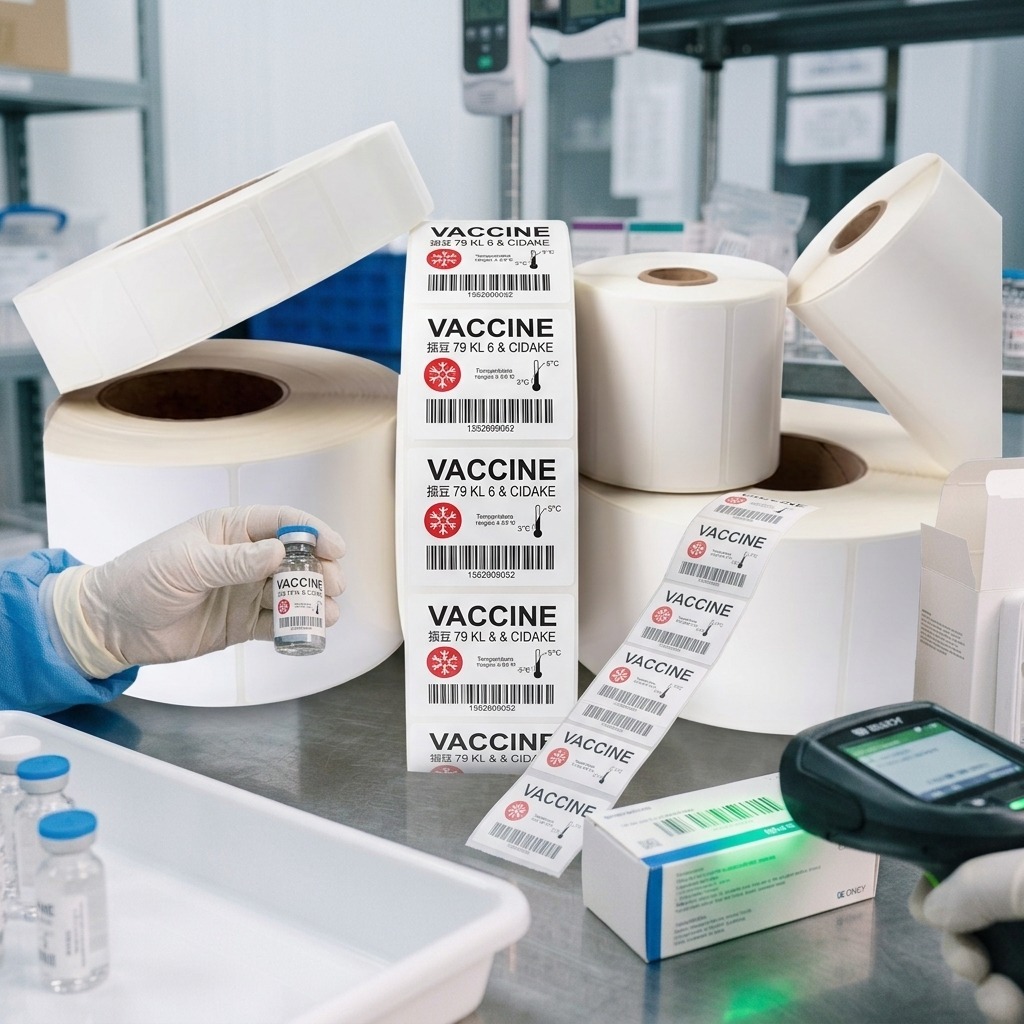
A cold-chain label has to carry more than a product name. Batch number, expiry date, storage instructions, and a scannable barcode all need to stay sharp after condensation and handling. Serialization and track-and-trace requirements make this even more important, since a barcode that will not scan can hold up an entire delivery.
Thermal transfer printing is a reliable choice for durable barcodes and variable data. Pairing your labels with the right thermal ribbon and a dependable label printer keeps text crisp and helps your team print batch codes on demand. If your vial or carton size is unusual, customised labels can be made to fit your exact dimensions, shape, and material.
A Quick Checklist Before You Order
- Confirm the exact storage range of the product: refrigerated, frozen, or ultra-cold.
- Match the label material to the container, such as glass vial, plastic bottle, or carton.
- Choose a freezer-grade adhesive when products will be stored or shipped below 0°C.
- Check that your printed data, including batch number, expiry, and barcode, follows FDA Philippines and DOH labeling requirements.
- Add tamper-evident labels where security matters.
- Test a sample in real conditions before ordering in volume.
Get Cold-Chain Labels That Hold Up
The right label protects your product information when it matters most. Whether you handle vaccines, injectables, or temperature-sensitive medicine, All Labels Philippines can help you match the material, adhesive, and print method to your storage conditions. Talk to the team, share your container and temperature requirements, and get a label recommendation that fits your operation.Request a quote from All Labels Philippines today
Recent Comments