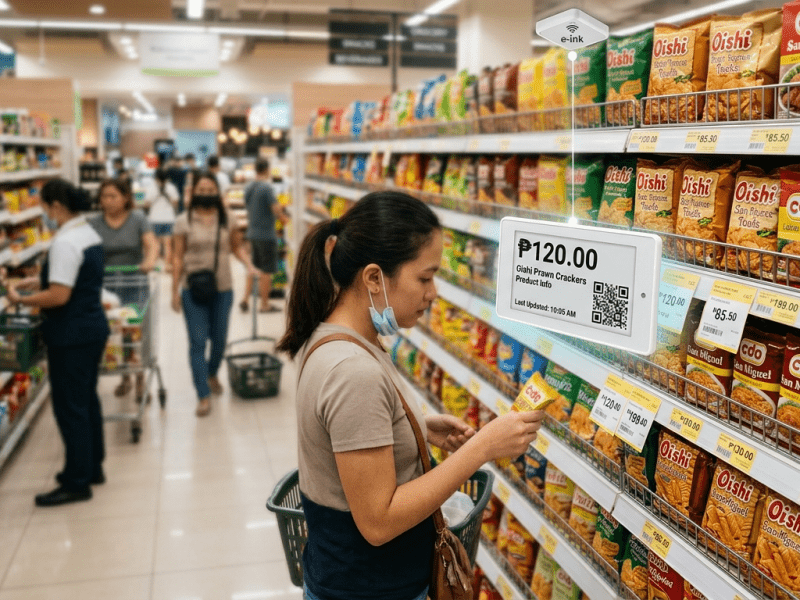
Walk into a grocery aisle in Metro Manila or a small sari-sari store in the province, and one detail looks the same everywhere: a price tag on almost every item. For anyone managing price labels retail in the Philippines, rules matter. This guide walks through what the rules actually say, why they apply whether a store has one register or twenty, and how choosing the right label materials makes staying compliant far less of a headache.
DTI Price Tag Rules, Simplified
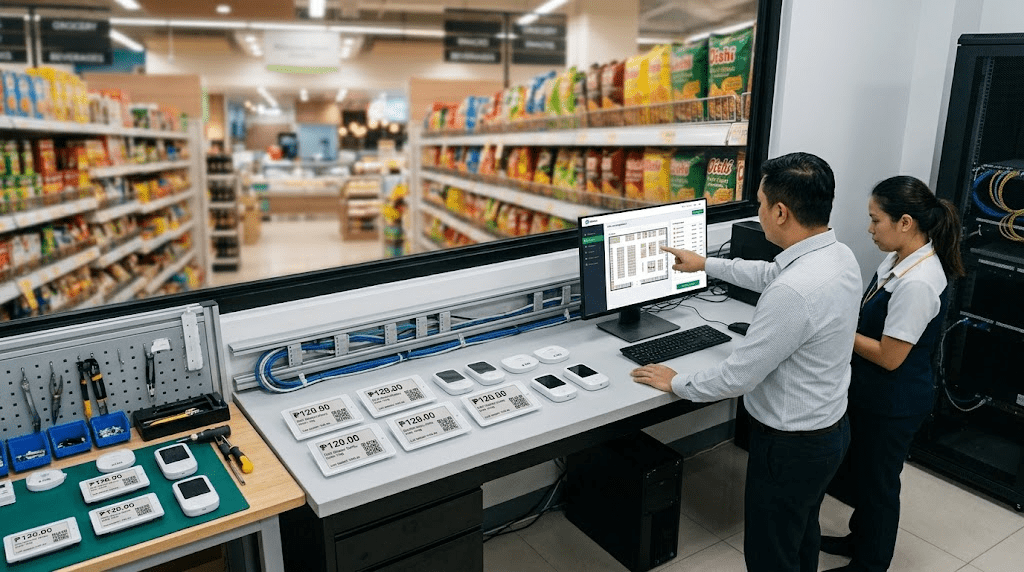
Every item needs a clear, legible price in pesos and centavos that already includes VAT, so there is no guessing at checkout. Items too small or awkward to tag individually can rely on a nearby price list or poster instead, as long as it states the size, volume, or content of the product. Stores that want to skip individual tagging altogether can use shelf pricing paired with barcode scanning, provided they install at least one Price Verification Counter per floor so shoppers can double check a price themselves. If a shelf tag and the register ever disagree, the lower price is what the customer pays, no exceptions. The table below lays out the full picture at a glance.
| Requirement | What It Means for You |
|---|---|
| What needs a tag | Every consumer product offered for retail sale, unless it is too small or impractical to tag individually |
| If an item is exempt | Display a price list or poster at the nearest point where the product is shown, with size, volume, or content specified |
| What the tag must show | Retail price in pesos and centavos (VAT inclusive), brand name, product description, and net quantity |
| Minimum font size | 8 mm for the price, 4 mm for other required details |
| Shelf pricing option | Allowed if paired with a scanner or Price Verification Counter, with at least one unit per floor |
| Price mismatch rule | If the shelf tag and the register price differ, the lower price applies to the customer |
| Penalties | Fines from P200 to P5,000, with possible imprisonment of one to six months for violations |
These requirements apply the same way to a two-aisle mini-mart and a multi-floor supermarket. What changes is how each type of store chooses to meet them.
From Sari-Sari to Supermarket: Practical Labeling by Store Size
A sari-sari store owner and a supermarket operations manager are solving the same problem with very different tools. A small neighborhood store usually sticks with individual price tags on each item, since volume is low enough that hand tagging or a simple price list stays manageable and inexpensive. A supermarket chain, on the other hand, is more likely to lean on shelf pricing combined with barcode scanners, because tagging thousands of SKUs by hand across multiple floors is not realistic. Both approaches are valid under DTI rules, but both still have to meet the same minimum font size requirements so the information stays readable from a normal shopping distance. The chart below shows how those font size minimums break down between the retail price itself and the supporting details like brand and quantity.
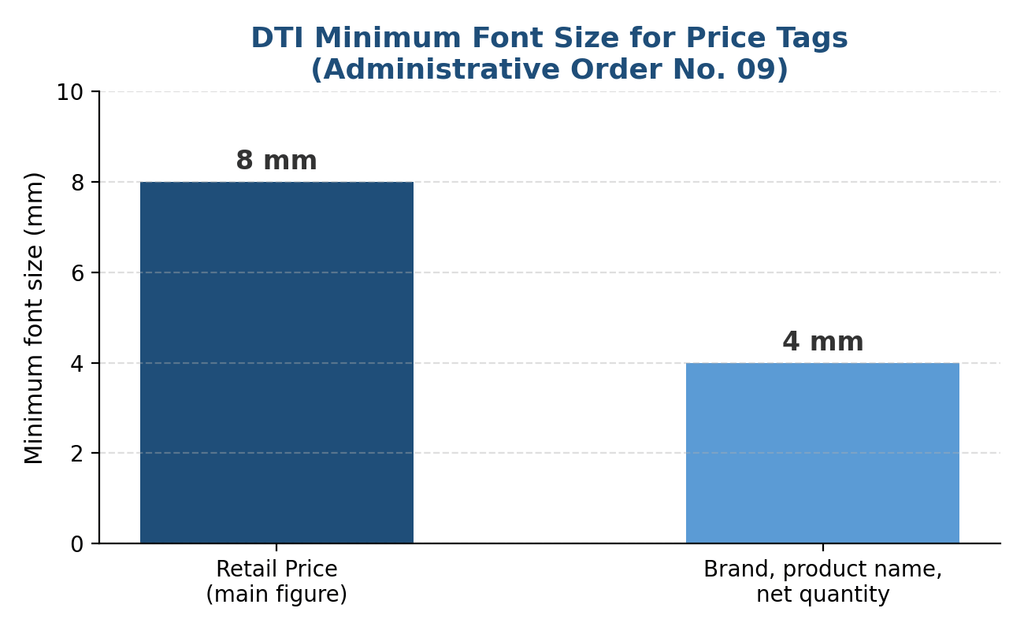
Notice that the price gets the largest, boldest treatment on any compliant tag. That is intentional under the rule, since the price is the figure a shopper and a DTI inspector will both check first.
Choosing the Right Label Type for Your Store
Making labels that hold up to daily handling, scanning, and Philippine humidity is another. This is where the physical label material matters as much as the words printed on it. Direct Thermal Labels are a common choice for high-traffic checkout counters because they print without ink or ribbon and stay sharp enough for barcode scanners to read reliably, shift after shift. Colored Labels help staff and shoppers spot categories, promotions, or clearance items at a glance, which is especially useful in mixed-aisle layouts where a sari-sari store or mini-mart stocks many product types in a small footprint. Special Cut Labels solve a more physical problem: irregularly shaped packaging, narrow shelf edges, or unusually small items that still need a legible, compliant price mark. The table below matches each label type to where it tends to work best.
| Label Type | Strength | Best Fit For |
|---|---|---|
| Direct Thermal Labels | Ink-free printing that stays crisp under scanner light and daily handling | High-volume checkout lanes and barcode or SKU labels in supermarkets |
| Colored Labels | Color-coded tags that let staff and shoppers spot categories or promos at a glance | Sale sections, seasonal displays, and mixed-aisle sari-sari or mini-mart setups |
| Special Cut Labels | Custom shapes and sizes that fit irregular packaging or tight shelf edges | Small or oddly shaped items that still need a compliant, legible price mark |
Staying Compliant Without the Hassle
Price tagging compliance in the Philippines is not complicated once the requirements are broken down, but it does take the right materials to execute consistently across a busy retail floor. Whether a business is a single sari-sari store working through its first shelf of packaged goods or a supermarket chain managing labels across several branches, matching the label type to the store’s actual layout and volume makes the DTI rules easier to follow every single day.
ALP Philippines supplies Direct Thermal Labels, Colored Labels, and Special Cut Labels built for exactly this kind of daily retail use, ready to keep every shelf compliant and shopper-ready.
Recent Comments